Application
Automated Defect Detection
Defect detection is a classification contract. Write the defect list first; the algorithm choice follows from it.
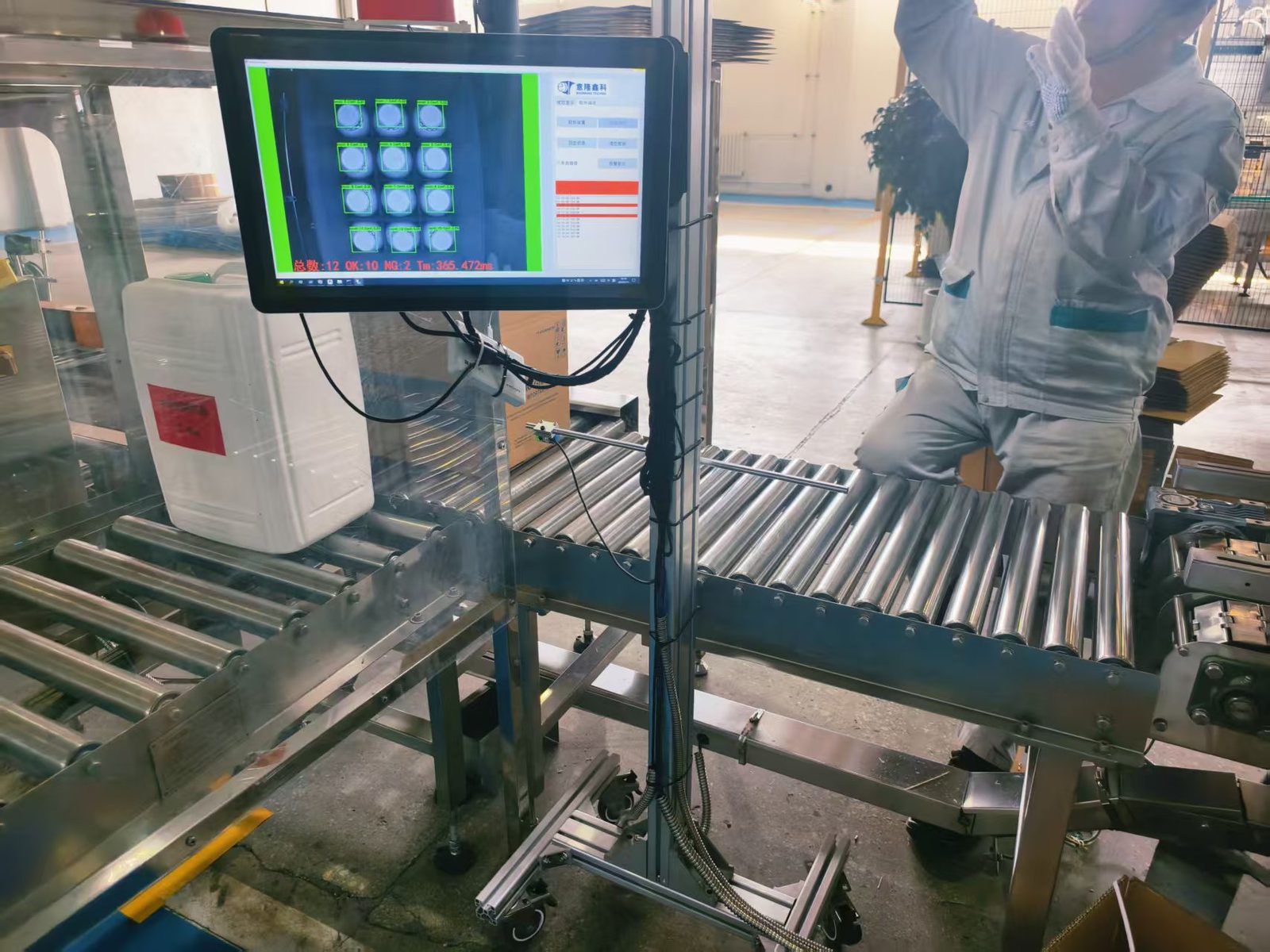
Direct answer
How do you choose between rules-based and AI defect detection?
Use rules-based vision when a defect can be described with a measurable threshold — size, contrast, position, count, dimension. Use a learned model when the defect class is visually consistent to a human but cannot be expressed as a threshold, such as varied cosmetic blemishes on textured surfaces. Many production systems combine both: deterministic tooling for measurable checks and a model only for the ambiguous class.
Write the defect table before choosing tools
- Defect class
- Name, description, example images
- Minimum size
- Smallest instance that must be caught
- Frequency
- Occurrence rate — drives sample sizes for validation
- Severity
- Escape cost: cosmetic, functional, or regulatory
- Detectability
- Which lighting geometry makes it visible at all
Rules-based, learned, or both
- Rules-based: deterministic, explainable, fast to validate, cheap to change; brittle when appearance varies.
- Learned models: tolerant of appearance variation; need labeled data, a retraining plan, and version control tied to quality records.
- Hybrid: locate and measure with rules, then hand only the ambiguous region to a model — usually the most maintainable arrangement.
- Anomaly-style approaches can work when defects are rare and unpredictable but good product is highly consistent.
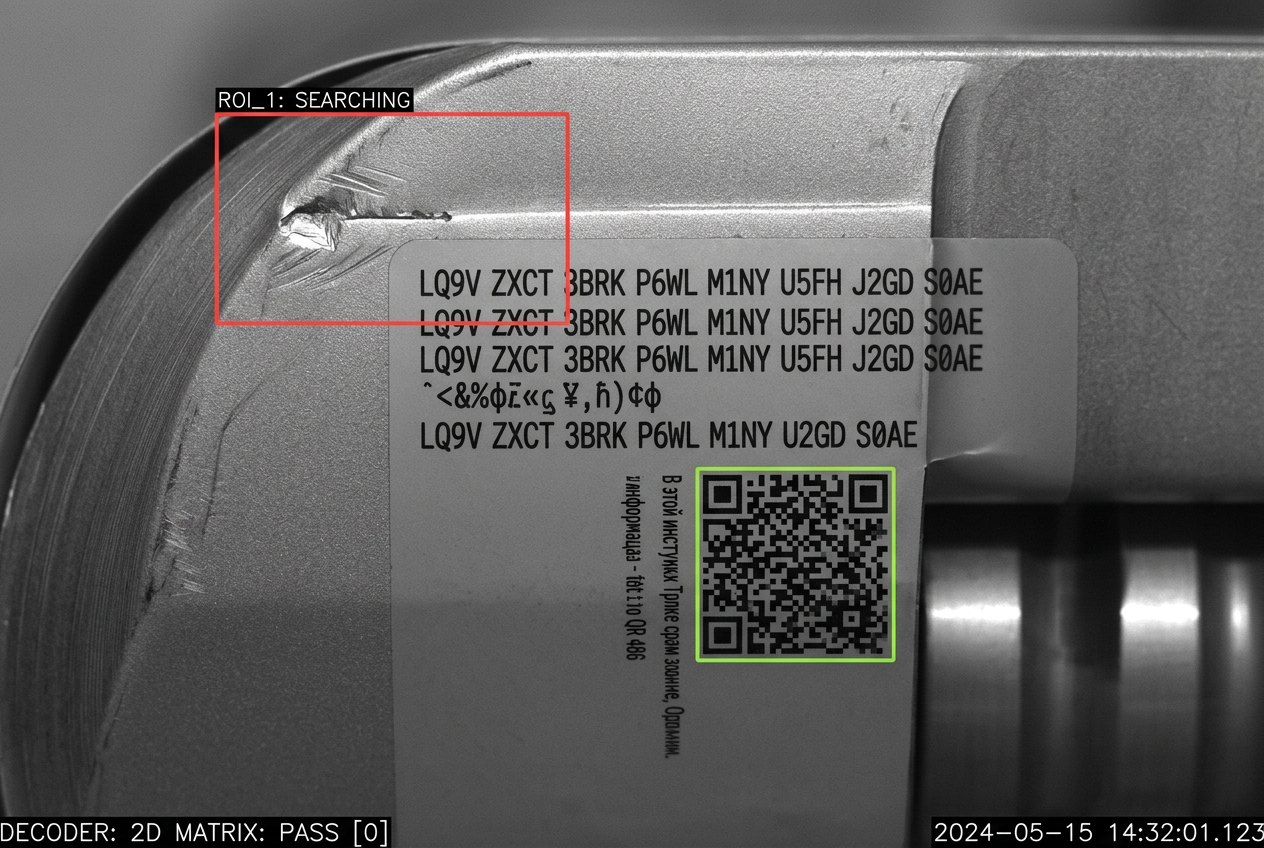
Escapes and false rejects are separate budgets
An escape reaches your customer. A false reject destroys good product and erodes operator trust until someone tapes over the sensor. Both must be quantified against a labeled panel at line speed, and the tuning target must be stated as a tradeoff, not a single accuracy number.
Training data, honestly
The question is never simply how many images. It is how many images per defect class, spanning the real variation in substrate, lighting drift, shift changes and SKUs. Small, well-curated, correctly labeled sets with genuine class coverage routinely beat large sets scraped from one good hour of production.
Frequently asked questions
- How many images do I need to train a defect model?
- It depends on how visually consistent the defect class is and how much nuisance variation the line produces. Plan for per-class coverage across substrates, shifts and SKUs, hold back a labeled test set that never influences training, and treat the first deployment as a data-collection phase rather than a final model.
- Can a vision system find defects it has never seen?
- Anomaly-based methods can flag deviation from a learned normal, which helps for unknown defects, but they typically produce more false positives and need a human disposition path.
Related engineering material