Industrial Imaging
Industrial Imaging
Inspection accuracy is capped by acquisition. If the defect is not in the pixels, no algorithm recovers it.
Direct answer
What is industrial imaging?
Industrial imaging is the engineered acquisition of images for machine use rather than human viewing: selecting sensors, optics, illumination, triggering and interfaces so that the feature of interest is captured with sufficient resolution, contrast and timing stability for automated evaluation.
The acquisition chain
Acquisition chain
Sensor and camera decisions that matter
- Area scan vs line scan — discrete parts vs continuous material.
- Global vs rolling shutter — moving product almost always requires global shutter.
- Monochrome vs color — monochrome gives more usable resolution and sensitivity unless color is the measurement.
- Resolution vs light — more pixels means less light per pixel; exposure, aperture and illumination must be solved together.
- Interface — GigE Vision, USB3 Vision, CoaXPress or Camera Link, chosen from the bandwidth budget and cable-run reality.
Engineering heritage in image acquisition
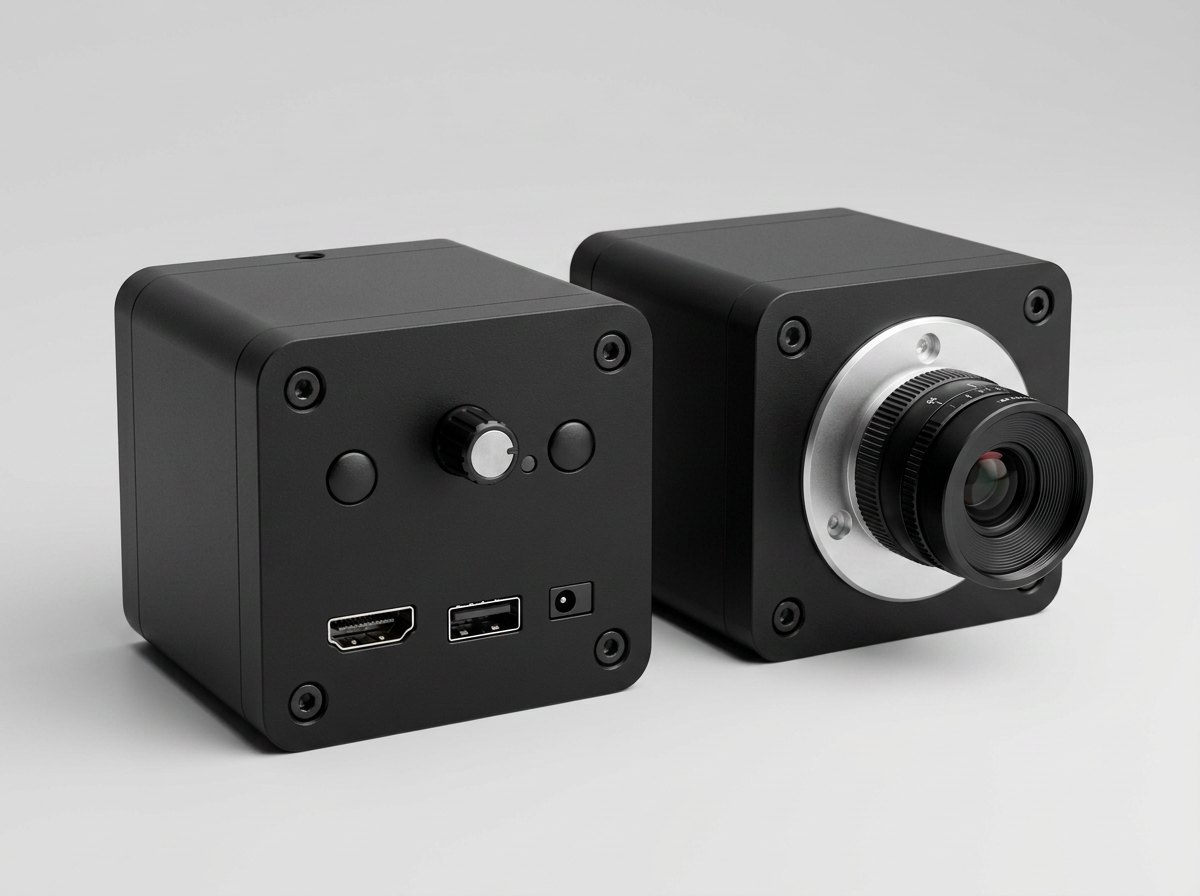
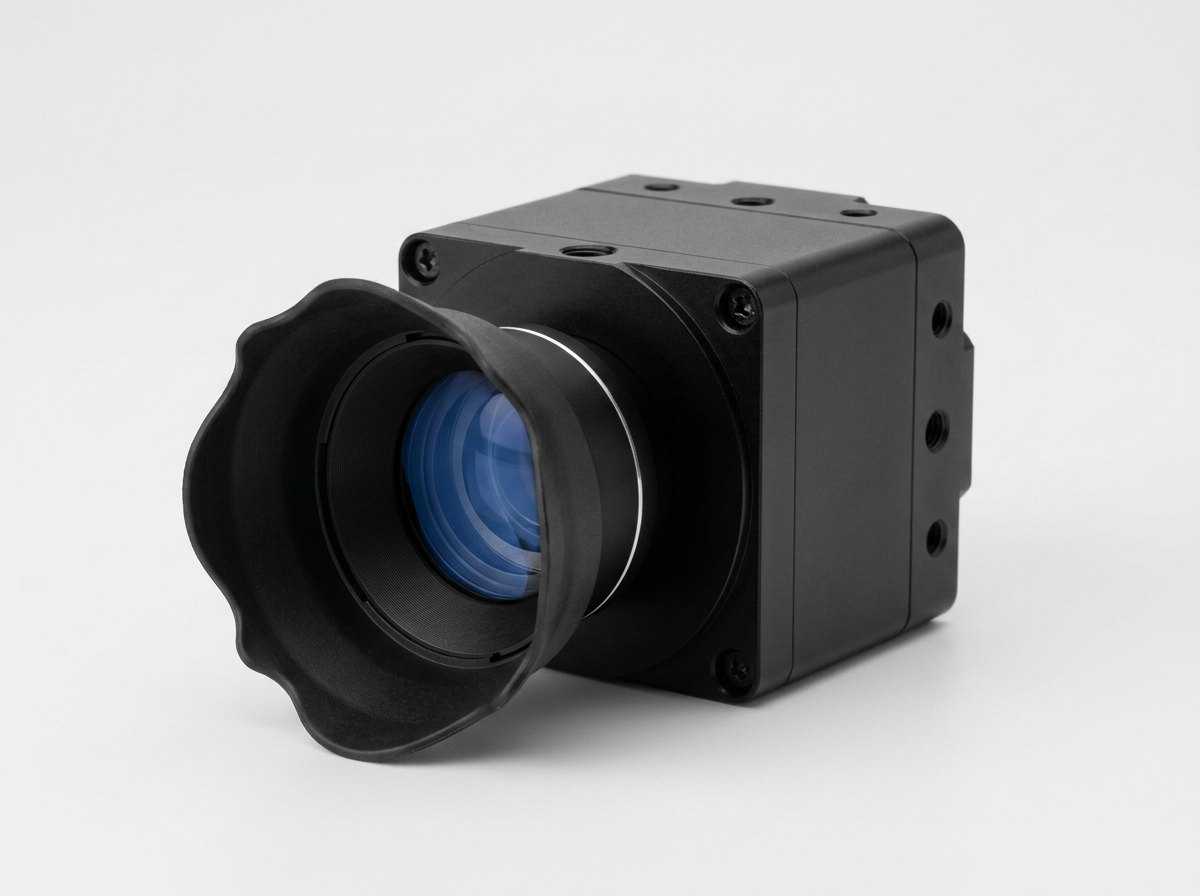
The team's technical lineage sits in digital image acquisition and industrial camera engineering — USB, HDMI and networked camera hardware, custom interface work and SDK-level integration. VisionAxiom localizes that heritage to U.S. industrial machine vision only; we do not claim medical, education or research product lines, and we do not inherit product certifications or installation history from any other entity.
Related engineering material