Imaging
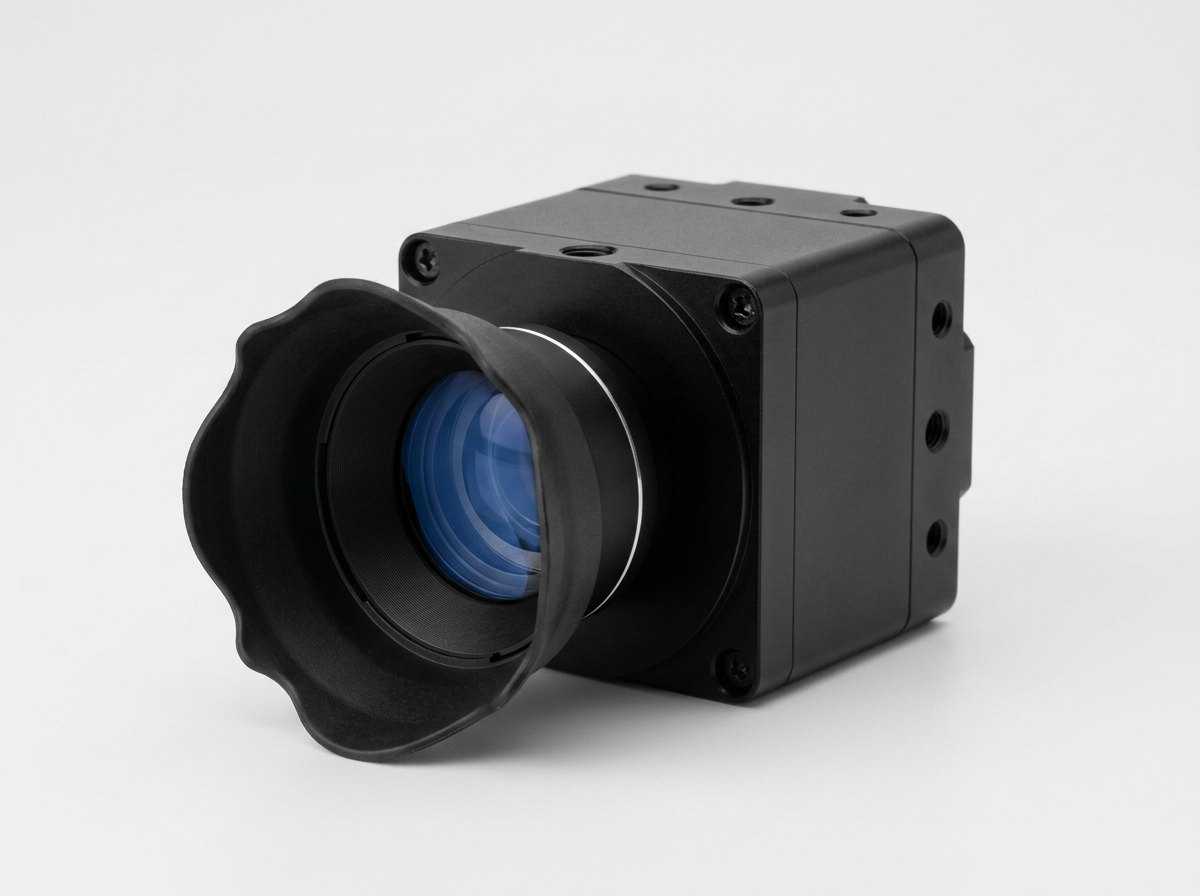
Industrial Cameras
We specify cameras against the inspection requirement rather than standardizing on one vendor ecosystem.
Direct answer
How is an industrial camera selected for inspection?
Start from the field of view and the smallest feature to resolve, decide how many pixels must cover that feature, and compute the minimum sensor resolution. Then check shutter type against motion, pixel size and quantum efficiency against available light and exposure, interface bandwidth against frame rate and camera count, and finally lens coverage against the sensor format.
Specification order
- 1. Field of view, including fixture tolerance and part variation.
- 2. Smallest feature and required pixels across it (more for measurement, fewer for presence).
- 3. Minimum resolution = FOV / (feature size / pixels per feature), in each axis.
- 4. Shutter and exposure: motion during exposure must stay a fraction of the feature size.
- 5. Interface and bandwidth: frame rate × pixels × bit depth × cameras.
- 6. Optics: sensor format coverage, resolving power, mount, working distance.
Sensor characteristics worth reading past the datasheet headline
- Shutter
- Global for motion; rolling only for static or slow scenes
- Pixel size
- Larger pixels collect more light — helps short exposures
- Bit depth
- 8-bit is usually sufficient; 10/12-bit helps low-contrast defect work
- Trigger latency & jitter
- Matters more than raw frame rate on fast lines
- Mono vs color
- Mono unless color itself is the measurement
- Interface
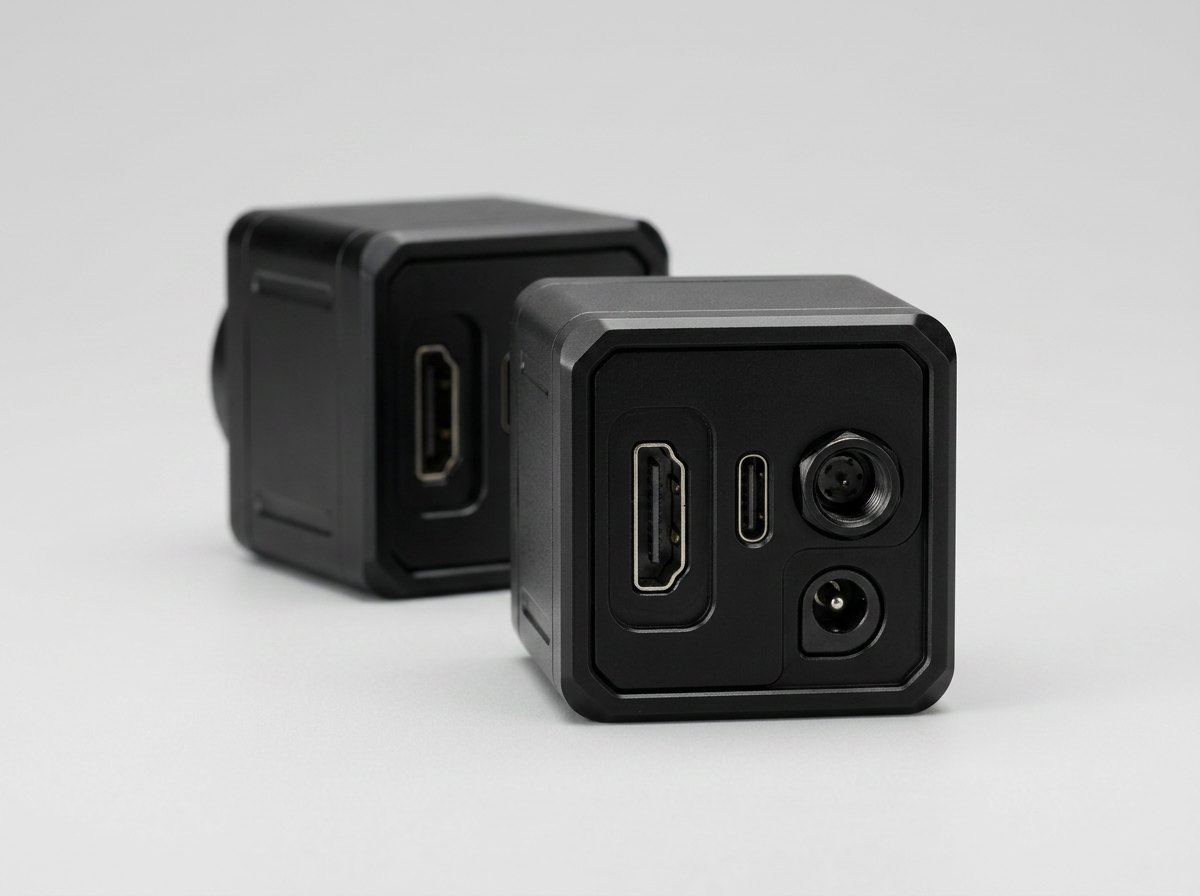
- GigE Vision, USB3 Vision, CoaXPress, Camera Link
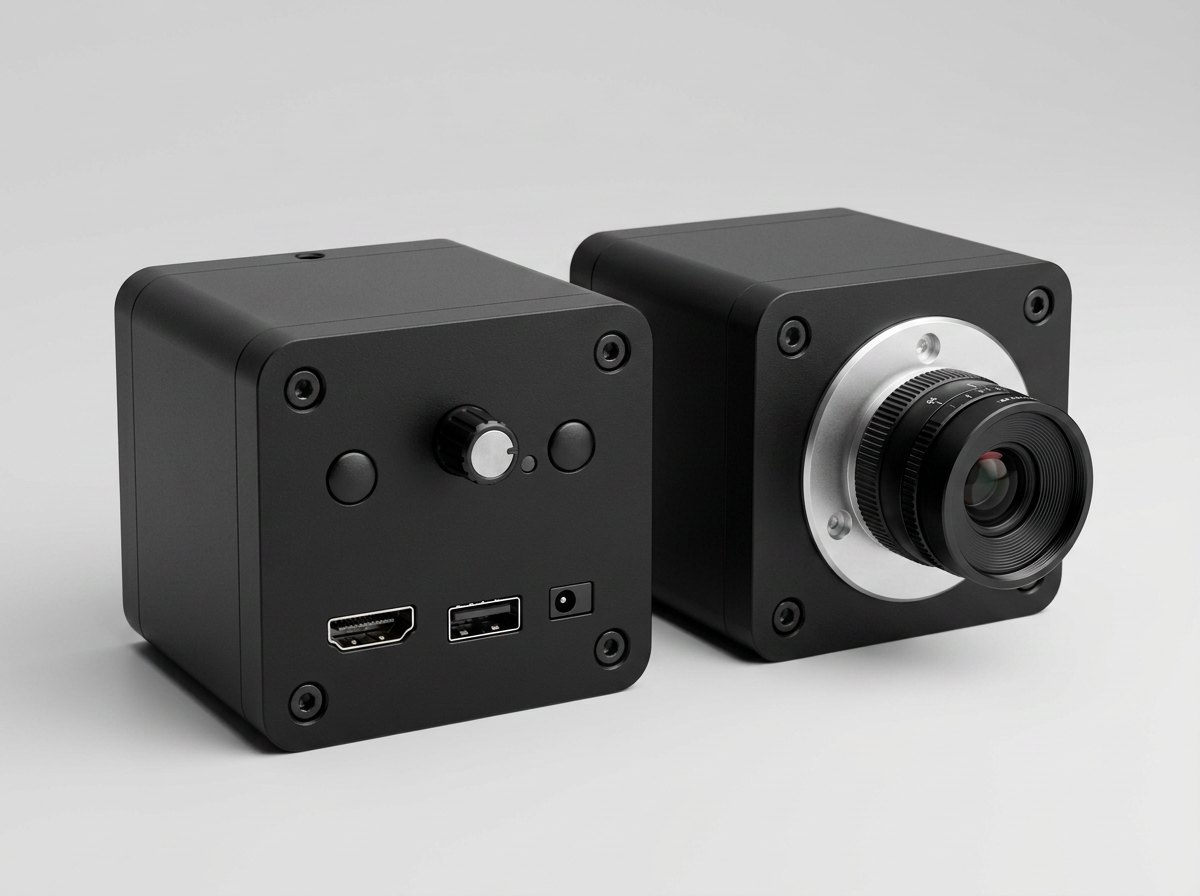
Cameras are a component, not the product
VisionAxiom is not a camera reseller. We select and integrate acquisition hardware, then take responsibility for the imaging result: contrast on the real substrate, stability across shifts, and repeatable timing against the line.
Frequently asked questions
- Should I buy the highest resolution camera available?
- No. Excess resolution costs light, bandwidth, lens quality and cycle time. Size resolution to the smallest feature with a sensible margin, then spend the budget on optics and lighting.
Related engineering material